
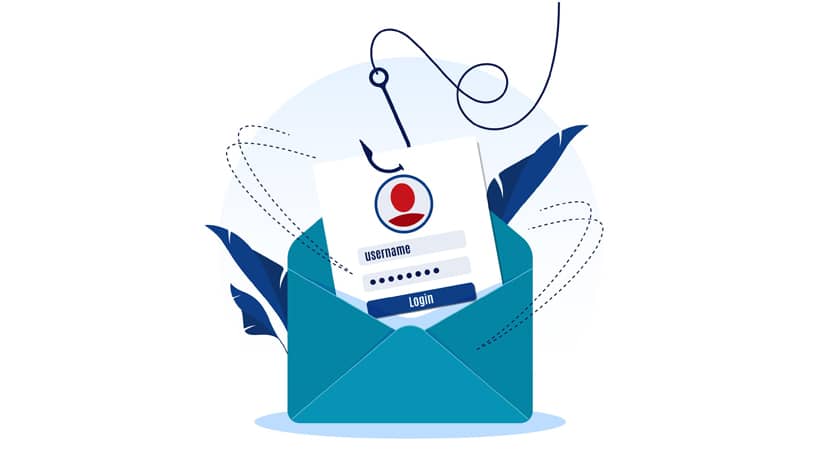
Phishing attacks are a method hackers use to obtain confidential information from users through fake messages or websites that imitate legitimate organisations. These attacks are very common and affect both individuals and companies.
Phishing attacks usually start with a message or an e-mail that appears to come from a legitimate organisation, such as a bank, a service provider or a software company. The message can be very well crafted and look identical to real ones, and the authors may use user names, e-mail addresses or other personal information obtained from other sources.
In the message, the victim is asked to provide personal information such as passwords, credit card numbers or other confidential information. In some cases the victim is urged to download a file or click a link that installs malware on their computer. This malware can be used to spy on the victim or steal their personal information.
Phishing attacks can be very dangerous and can lead to significant financial loss or even identity theft. They can also hurt the companies involved, which may lose customer trust and suffer reputational damage.
To avoid phishing attacks, it is important to know the warning signs. For example, messages or e-mails that seem urgent or ask for personal information should be treated with suspicion. Always check the sender's e-mail address and verify the authenticity and age of websites with whois tools and search engines. Messages with grammar mistakes should also raise suspicion, as many phishing messages contain them.
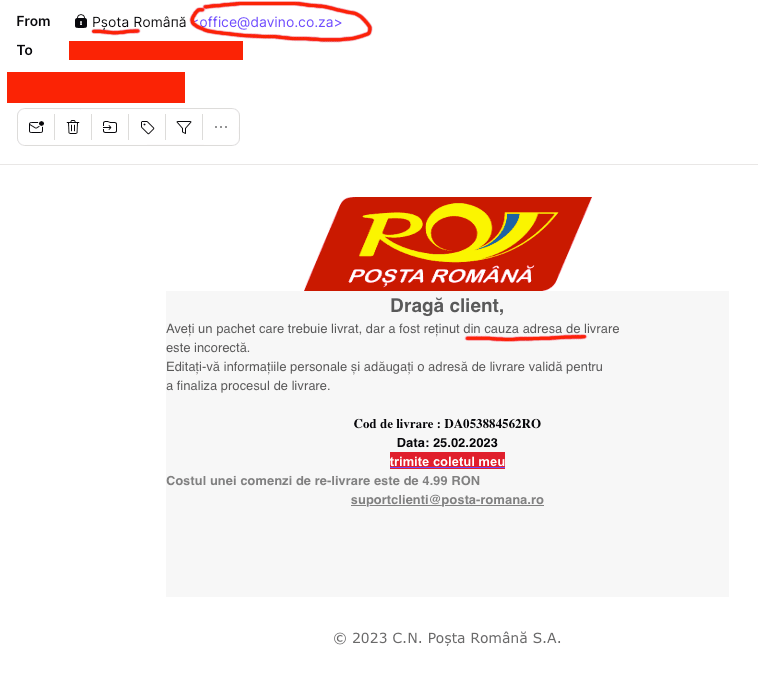 Image 1: Phishing attack imitating a message from the Romanian Post (Poșta Română)
If you receive a suspicious message or e-mail, do not provide personal information, do not download files and do not click suspicious links. If you received an e-mail from a legitimate organisation, it is always better to go directly to the organisation's official website and check whether there is any problem or request for information.
In the end, phishing attacks are a real threat to internet users and companies around the world. But by following a few simple precautions and watching for the warning signs, we can protect our personal information and avoid the negative consequences of these attacks.
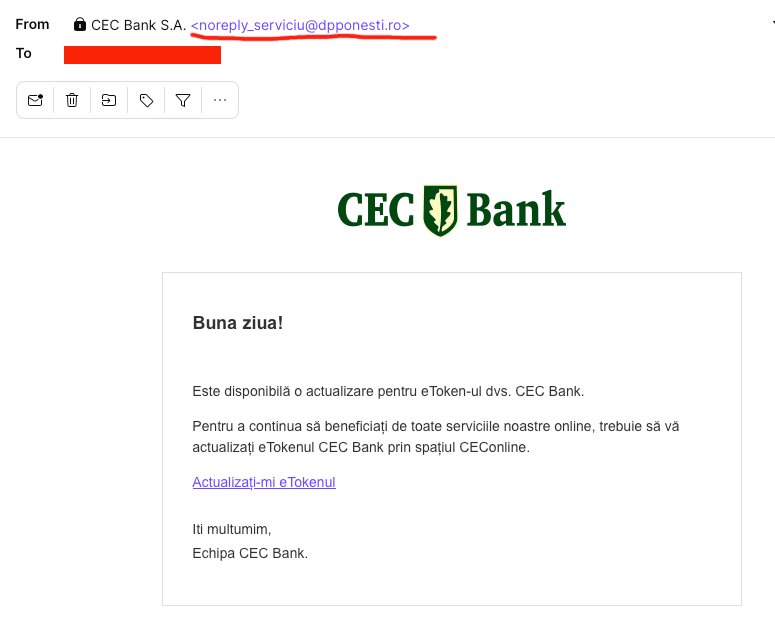 Image 2: Phishing attack imitating a message from CEC Bank
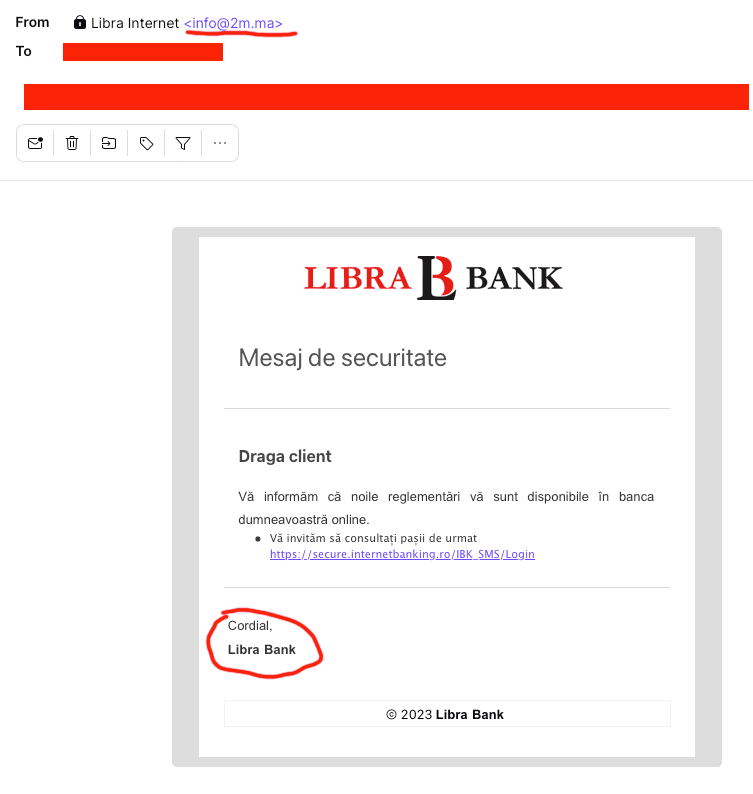 Image 3: Phishing attack imitating a message from Libra Bank

Security Engineer · All Safe